How does a wifi trail camera work? Complete guide
Wifi trail cameras represent a major technological advancement in the field of wildlife monitoring and outdoor security. In this article, we will explore in detail how these innovative devices work, their benefits, and how to use them effectively. ??

1. What is a wifi trail camera ?
A wifi trail camera is a standalone surveillance device that combines:
- A high resolution camera
- A motion detector
- A wifi connection
- Long-lasting battery
Unlike traditional hunting cameras, wifi models allow real-time transmission of captured data. ??
2. The operating principle
The operation of a wifi trail camera is broken down into several stages:
2.1 Motion Detection
The camera is equipped with a passive infrared (PIR) sensor that detects movement in its field of view. This sensor is sensitive to changes in heat, making it ideal for detecting animals or humans.
2.2 Image or video capture
Once motion is detected, the camera will trigger to take a photo or record a video. Most models offer night vision options for 24/7 monitoring.
2.3 Data transmission via wifi
This is where the wifi feature comes into play. Captured images or videos are instantly transmitted via the wifi network to:
- A dedicated mobile application
- A secure cloud server
- A predefined email address
This real-time transmission allows effective remote monitoring. ??
3. The advantages of wifi hunting cameras
Using a wifi trail camera offers many advantages:
- Real-time access to images and videos
- Instant notifications on your smartphone
- Reduced on-site visits to retrieve data
- Ability to control the camera remotely (adjust settings, check battery level)
- Secure cloud data storage
4. Installation and configuration
Installing a wifi trail camera requires a few key steps:
4.1 Choice of location
Select a location with good Wi-Fi coverage and a clear view of the area to be monitored.
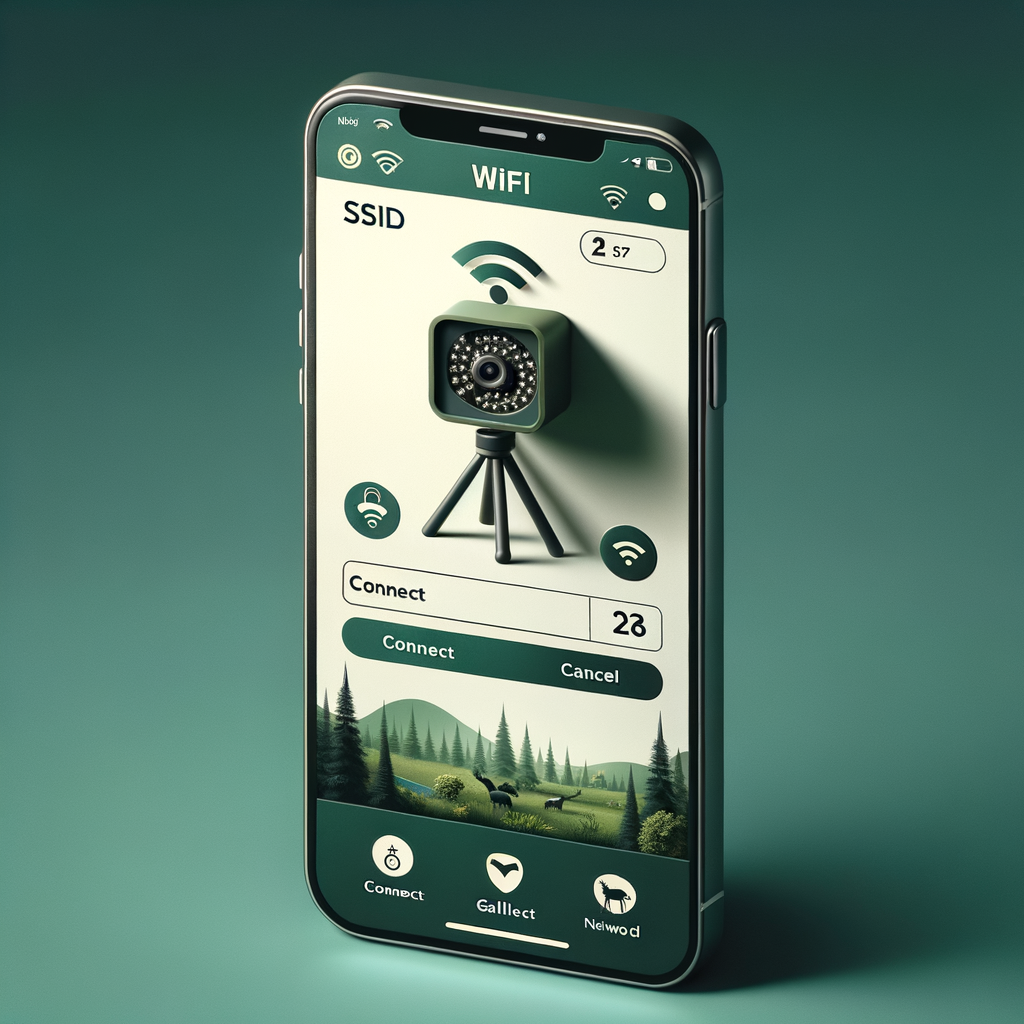
4.2 Network Configuration
Connect the camera to your Wi-Fi network following the manufacturer's instructions. This usually involves:
- Installing a dedicated mobile application
- Entering wifi credentials
- Creating a user account
4.3 Setting parameters
Configure the camera settings as needed:
- Motion detector sensitivity
- Photo/Video Resolution
- Frequency of notifications
- Storage options (local vs cloud)
5. Important considerations
Before using a wifi trail camera , keep these important points in mind:
- Battery life : Wi-Fi transmission consumes more energy. Opt for large capacity batteries or solar panels.
- Wifi Range : Make sure the camera stays within your network coverage area.
- Data Security : Use strong passwords and enable encryption to protect your data.
- Privacy : Be sure to comply with local laws regarding surveillance and privacy.
Conclusion
Wifi trail cameras represent a significant evolution in the field of remote monitoring. They offer a unique combination of cutting-edge technology and convenience, allowing users to monitor wildlife or secure properties with unprecedented ease . By understanding how they work and using them properly, these devices can become valuable tools for hunters, naturalists, and security-conscious homeowners.

 Night Vision Hunting Cameras: Photo & Video Quality Guide 2024Read more
![Trail camera Battery Life: Complete Guide 2024 [Durée de Vie & Conseils]](https://gamecams.co.uk/img/ybc_blog/post/thumb/Autonomie-Camera-de-chasse.jpg "Trail camera Battery Life: Complete Guide 2024 [Durée de Vie & Conseils]") Trail camera Battery Life: Complete Guide 2024 [Durée de Vie & Conseils]Read more
Trail camera Battery Life: Complete Guide 2024 [Durée de Vie & Conseils]Read more