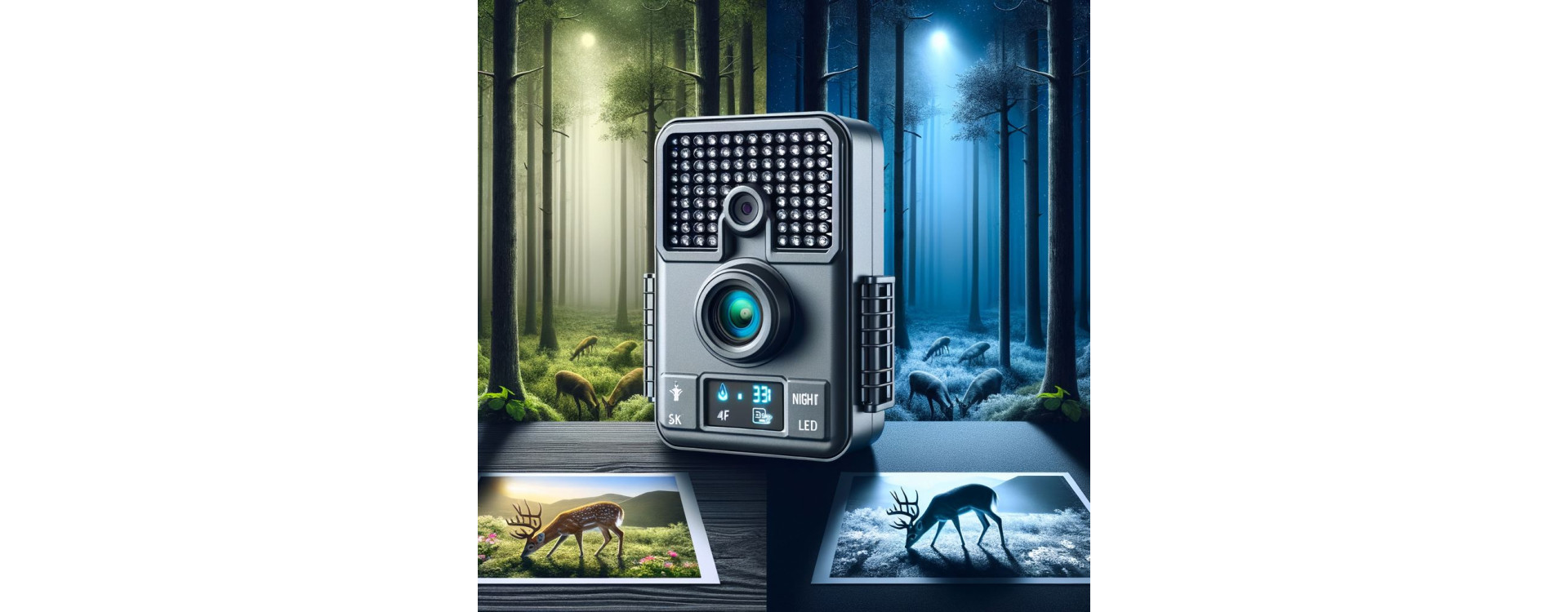
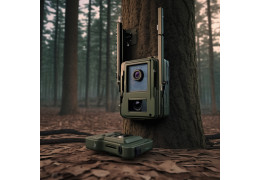
Night vision image quality is crucial for a trail camera . Learn how to evaluate night vision performance and choose the right equipment for your needs.
Night Vision Technologies in 2024
Night vision in hunting cameras is mainly based on two technologies:
Infrared (IR) Flash
- Standard IR (visible red LEDs): range up to 20m
- Black IR (invisible): range up to 15m
- Reinforced IR: range up to 30m
Night Quality Assessment Criteria
To effectively assess the night quality of a trail camera , focus on these essential aspects:
- Effective range of IR flash
- Sharpness of images in low light
- Night Trigger Speed
- Sensor quality
- Energy consumption in night mode
How to Choose the Right Technology
Standard IR vs Black IR
Pro Tip: Black IR is great for stealth but has a more limited range. Standard IR offers better image quality but may scare some animals.
Understanding the Real Scope
The range announced by manufacturers is often optimistic. In real conditions:
- Reduce the advertised range by 20%
- Test the camera in different weather conditions
- Check quality at range limits
Optimal Settings for Night Vision
Recommended Settings
- Sensor sensitivity: Medium to high
- Resolution: 1080p minimum
- Shutter speed: Auto
- IR Power: Adaptive
Expert Tips for Successful Nighttime Photos
To maximize the quality of your night shots:
- Position the camera at the optimal height (1.2-1.5m)
- Avoid obstacles between the camera and the target area
- Clean the sensor and IR LEDs regularly
- Orient the camera to avoid backlighting
Conclusion
The quality of nighttime photos and videos depends on many technical factors, but also on installation and settings. A good compromise between range, discretion and image quality is essential. Choose recent models with powerful and adaptable IR for optimal results.
Key Points to Remember
- Choosing IR technology according to your specific needs
- Consider actual rather than advertised range
- Optimize installation and settings
- Prioritize the quality of the sensor and IR LEDs

 Night Vision Hunting Cameras: Photo & Video Quality Guide 2024Read more
![Trail camera Battery Life: Complete Guide 2024 [Durée de Vie & Conseils]](https://gamecams.co.uk/img/ybc_blog/post/thumb/Autonomie-Camera-de-chasse.jpg "Trail camera Battery Life: Complete Guide 2024 [Durée de Vie & Conseils]") Trail camera Battery Life: Complete Guide 2024 [Durée de Vie & Conseils]Read more
Trail camera Battery Life: Complete Guide 2024 [Durée de Vie & Conseils]Read more