
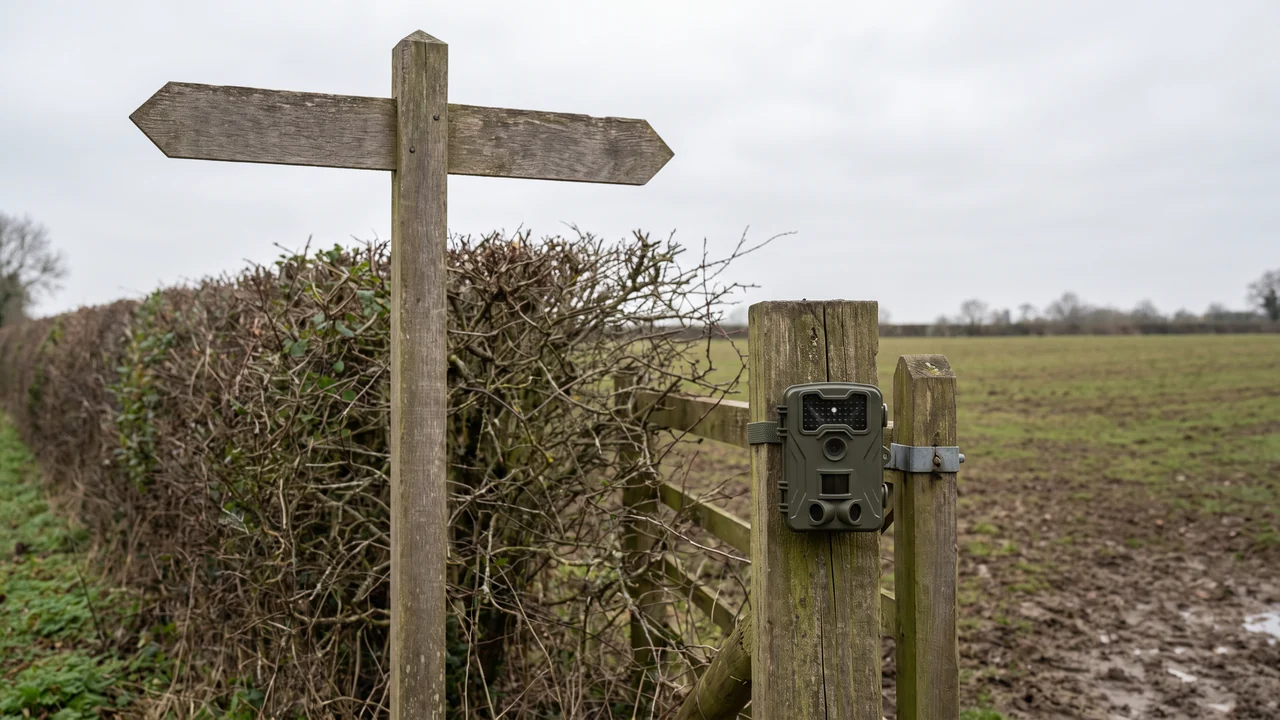
Trail Camera Privacy Law UK: What You Can Legally Film
You can usually film wildlife in your own garden or on your land, but trail camera privacy law UK requirements still matter when people, neighboring properties, or public paths enter the frame. Keep cameras aimed down and away from windows, use short clips with audio disabled, and secure or delete footage you do not need.
This guide is for anyone monitoring wildlife on their own property or managing rural land. It explains how to position a camera for badgers, foxes, hedgehogs, deer and birds while reducing accidental filming of visitors and passers-by. You will also find practical guidance on GDPR, public footpaths, protected species, privacy-friendly settings, signs, storage and checks before leaving equipment unattended.
In short
- On your own property, you can use a trail camera for wildlife, but you must avoid capturing people or neighboring private spaces.
- GDPR applies if the camera records identifiable people; avoid aiming at public paths, walking paths, or neighbors' gardens.
- Always get landowner permission before placing a camera on someone else's land.
- Choose a camera with a narrow field of view or adjustable settings to keep the lens on your own land.
Can I legally use a trail camera in my own garden?
Yes, you can generally use a trail camera in your own garden to observe wildlife on your property. Aim it at a hedge, pond, feeding area or animal track within your boundary, and keep the view limited to your land. A camera set up to capture badgers, foxes, or hedgehogs should record wildlife activity rather than people passing through nearby areas.
Take care with the camera angle. Avoid neighboring gardens, windows, driveways and public paths, even if part of them is visible from your property. Mount the unit low enough to frame the animal route, then check the live view or test images from likely walking positions. Trim or reposition the camera if the view extends beyond your boundary.
For night recording, a night vision wildlife camera with no-glow or low-glow infrared can reduce visible flashes and disturbance. Choose a suitable high-resolution trail camera only after confirming that its field of view stays focused on your garden. Tell household members where it is fitted, and review recordings regularly so unwanted images are removed promptly.
What does GDPR mean for trail camera users?
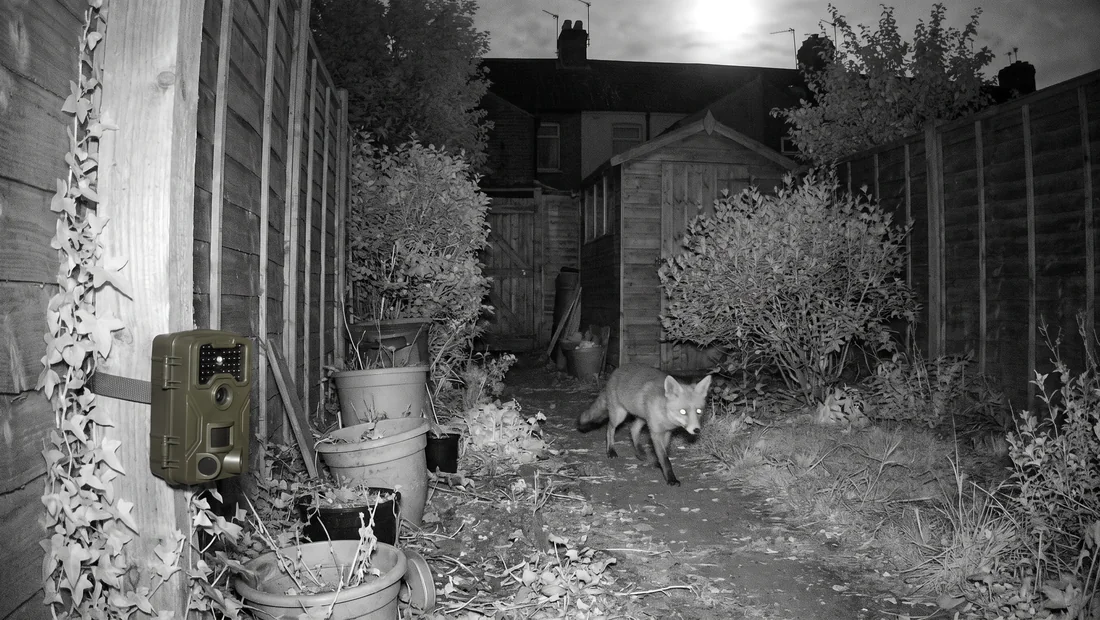
GDPR applies when a trail camera records people who can be identified, directly or from details such as clothing, vehicles or the location. Footage showing only wildlife on your own property will usually fall outside data protection rules. Keep the camera within your boundary and aim it at habitat, feeding areas or animal trails.
If a person is captured, you may need a lawful basis for recording them and clear information about the camera’s purpose. A small notice can explain that wildlife monitoring is taking place, who operates the camera and how to make contact. The household exemption may apply to genuinely private activity, but filming beyond your boundary can change the position. Guidance from the Information Commissioner’s Office is useful for unusual layouts or shared access areas.
Where can I place a trail camera on private land?
Private land gives you more control, but you still need permission from the person who owns or manages the ground before placing a camera.
- If you do not own the land, ask the landowner first and keep their permission in writing, including the camera position and how long it will remain there.
- On rented or tenant farmland, speak to the farmer before attaching equipment to a tree, fence, gate, building or other structure.
- Check the camera’s view from ground level and avoid public footpaths, bridleways and open access land where people may pass through, even if the camera itself stands just inside a boundary.
- Choose a discreet position within the agreed area, and never cross a boundary or attach equipment to property that belongs to someone else.
- A steel security housing for a 4G trail camera can help protect the unit, while a key-lock security cable can secure it to a suitable fixed object with the owner’s consent.
- Remove the camera when permission ends, when requested, or when land use changes around the position.
How do I avoid filming people on public footpaths?
Keep the footpath out of view
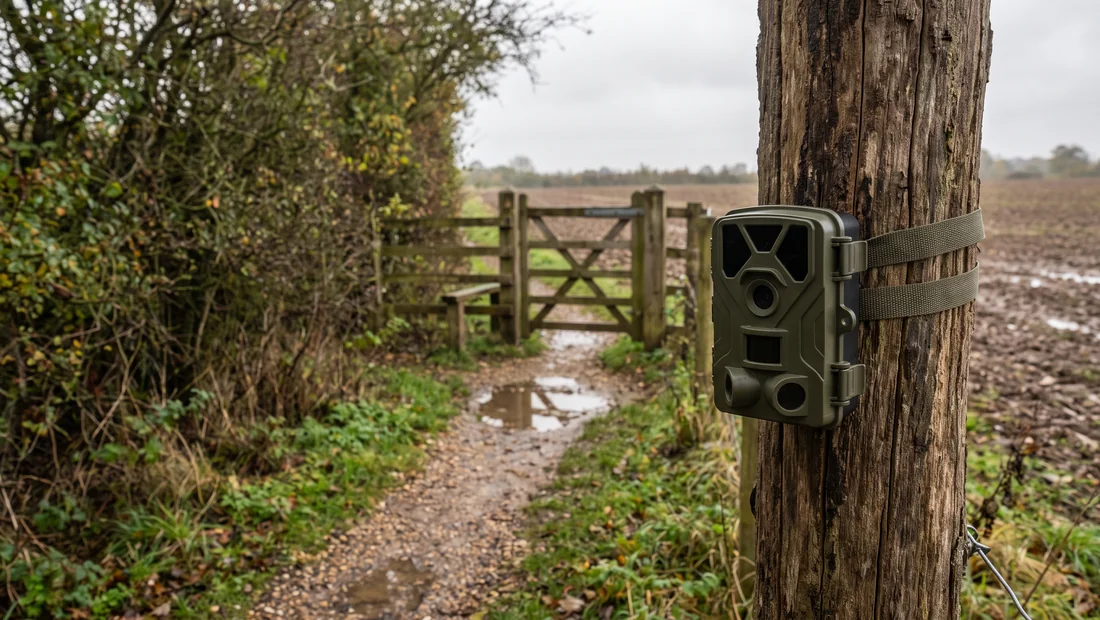
Keep the camera’s field of view entirely on your land, with the public right of way outside the frame. A footpath can cross private property, so check its route before choosing the mounting point.
Point the lens towards a hedge line, feeding area or animal trail. Leave enough space around the path for walkers to pass without entering the image.
Angle the camera down
Mount the camera high enough to reduce the view beyond your boundary, then angle it towards the ground. A short test recording can show whether faces, bicycles or vehicles appear in the background.
A narrower lens can help when space is limited. A no-glow trail camera with a 30m range may suit a private wildlife area when its view is carefully restricted.
Keep away from gates
Avoid placing the camera directly opposite a gate, stile or path entrance. These points naturally bring people close to the lens and can create repeated accidental recordings.
Use a side-facing position aimed along your boundary instead. A ball-head tree bracket can make small angle adjustments easier during installation.
Check and delete captures
Review footage regularly, especially after fitting or moving the camera. Delete any accidental images or clips of identifiable people immediately, and never share them publicly.
What are the rules for filming protected species?
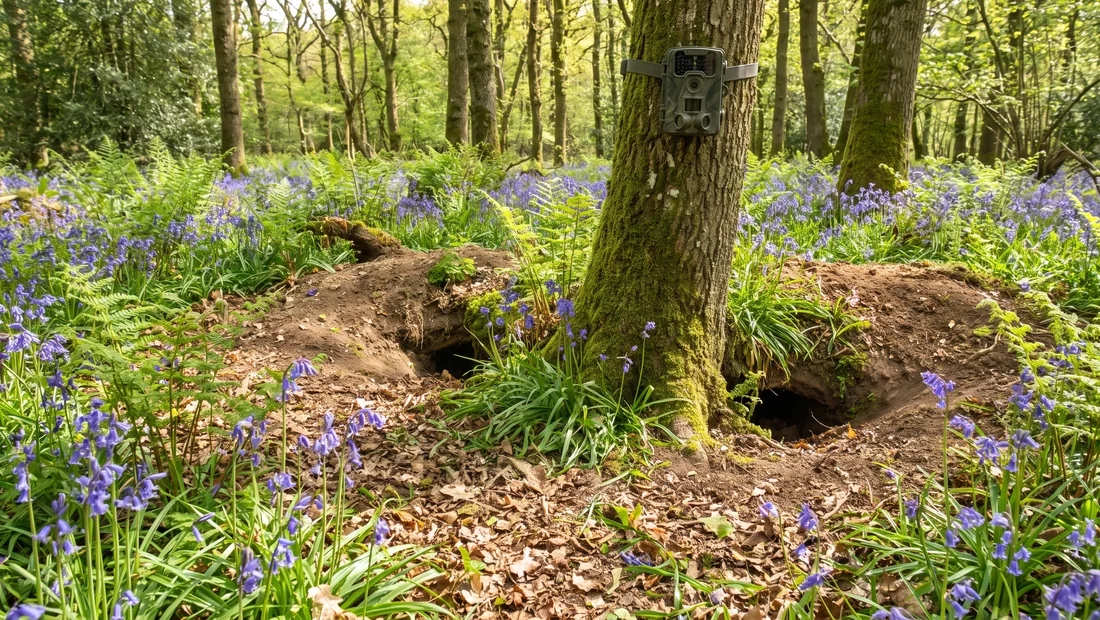
Filming wildlife is generally lawful, but disturbing a protected animal, nest, roost, or sett can be an offense. Badger setts, bat roosts and active bird nests need particular care. The rules vary between England, Wales, Scotland and Northern Ireland, so check the current species-specific guidance before installing a camera.
Keep the camera well away from nests, setts, dens and bat roost entrances. Never move vegetation or block an entrance. Avoid repeatedly visiting a sensitive site just to check footage. For bats, do not attach equipment to a roosting place or shine lights into an entrance. A camera aimed at a passing trail is usually less intrusive than one fixed directly at an animal’s shelter.
Choose a night vision wildlife camera with infrared illumination. A no-glow 940nm model, such as a compact mini no-glow trail camera, produces no visible red flash and can reduce disturbance. Keep visits brief and use the lowest practical sensitivity. If animals show repeated signs of alarm or start avoiding the area, take the camera out.
Which trail camera settings help respect privacy?
Privacy-friendly settings help keep recordings focused on wildlife and away from neighbors, visitors and public routes.
- Choose a model with an adjustable field of view or zoom where possible, then frame the smallest area that covers the animal trail, nest box or feeding spot.
- Use no-glow infrared at night to avoid a visible red flash that may attract attention or disturb people near the camera.
- Set motion detection zones so the camera ignores a gate, road, footpath or neighboring garden, and reduce sensitivity if passing movement causes unwanted clips.
- Keep the camera pointed downwards towards the ground or animal route, rather than across a boundary, and check the view from a person’s height before leaving it.
- A built-in screen allows quick on-site review, so you can spot faces, windows or paths in the frame and alter the angle immediately; look for a model like a 20MP trail camera with an LCD screen to make this easier.
- For wireless viewing, check framing during installation and use a Wi-Fi trail camera only where its detection zones can be aimed safely at your own property.
What should I do before leaving a camera unattended?
Confirm your permission
use a camera only where you own the land or have clear permission from the landowner. Ask before placing it on a shared boundary, farm, woodland or managed estate. Keep a written note of who gave permission and where the camera may be positioned.
Check the viewing angle
Point the lens towards animal movement, with the ground filling most of the frame. Check the live view or test images from likely walking routes. Make sure windows, gardens, driveways and public footpaths are outside the frame.
Tell nearby neighbors
If a neighbor could appear in the footage, explain where the camera is and why you are using it. Agree a small adjustment if needed. A simple conversation can prevent concern, especially when the camera is near a boundary.
Secure the camera
Use a strong tree, post or fixed structure. Fit a trail camera security cable with a keyed lock, and consider a protective housing in exposed locations. Check that the mount cannot swing towards people in the wind or after contact with livestock.
Test before you leave
walk through the area in daylight and review sample images. Remove any camera that captures people unnecessarily, then alter the height, angle or detection zone. Keep spare batteries and storage media on hand. You can find replacements in our trail camera accessories section.
Our picks
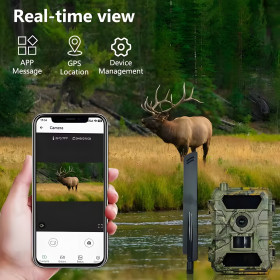
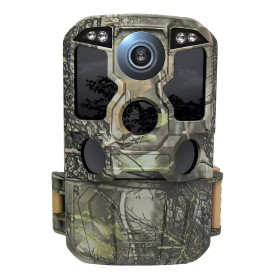
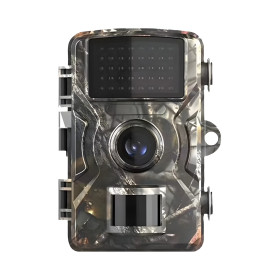
The most useful habit is to check the camera’s view from the lens before leaving it in place. Keep it on your own land, angle it away from paths and neighboring gardens, and use a narrow field of view where possible. Get permission before placing it elsewhere. If you need suitable equipment, browse our selection of night vision wildlife cameras.
Choose a privacy-friendly trail camera
Browse our selection of no-glow and adjustable trail cameras designed for responsible wildlife watching.
View Night Vision Wildlife CamerasFrequently asked questions
Do I need a license for a trail camera in the UK?
Understanding UK trail camera privacy laws means knowing that usually, no license is needed for standard wildlife observation on land you own or lawfully manage. You must still follow privacy rules and wildlife protection laws. Avoid disturbing nests, dens or protected species, and check local restrictions on nature reserves. A license may be required for certain survey, research or conservation activities.
Can I use a trail camera to monitor my property?
Yes, you can use a trail camera for security or wildlife monitoring on land you own or legally control. Aim it at your buildings, entrances or boundaries, and avoid recording neighbors, roads, footpaths or other public areas where possible. If identifiable people are captured regularly, data protection rules may apply, including clear signage, secure storage and limited retention.
What if my trail camera accidentally records people?
Delete accidental footage promptly if it has no genuine security purpose, and adjust the height or angle to prevent further recordings. Avoid sharing clips. If people are captured systematically or can be identified, you may need to explain the camera’s purpose, provide contact details and follow UK data protection requirements.
Are trail cameras allowed in public woodlands?
You need permission from the landowner or managing authority before placing a camera in a public woodland. Public access does not give you permission to install equipment. Check site rules, reserve conditions and any local restrictions. Place the camera discreetly, avoid paths and private areas, and remove it when permission ends.
Does GDPR apply to trail camera footage?
GDPR and UK data protection rules generally apply when footage identifies people instead of just animals. A camera recording only wildlife will usually fall outside those rules. If it captures neighbors, walkers or workers, keep recordings secure, limit retention, avoid unnecessary views of public space and consider signage or another lawful basis.
Related posts
 Deer Management: Counting and Monitoring Deer with Cameras
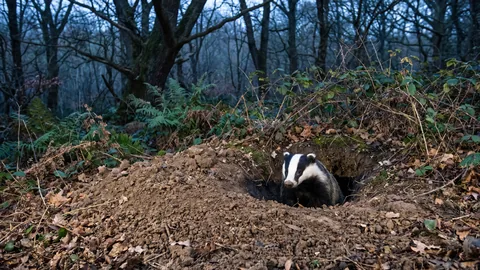 Badger Watching: How to See Badgers Without Disturbing Them
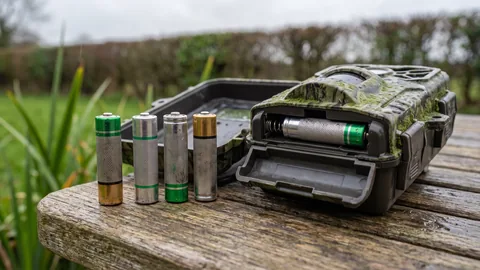 Alkaline AA Capacity: What mAh Means in a Trail Camera
 Trail Camera SD Card Reader: View Photos on PC or Phone
 Trail Camera SD Card Not Reading? Fix It Step by Step