
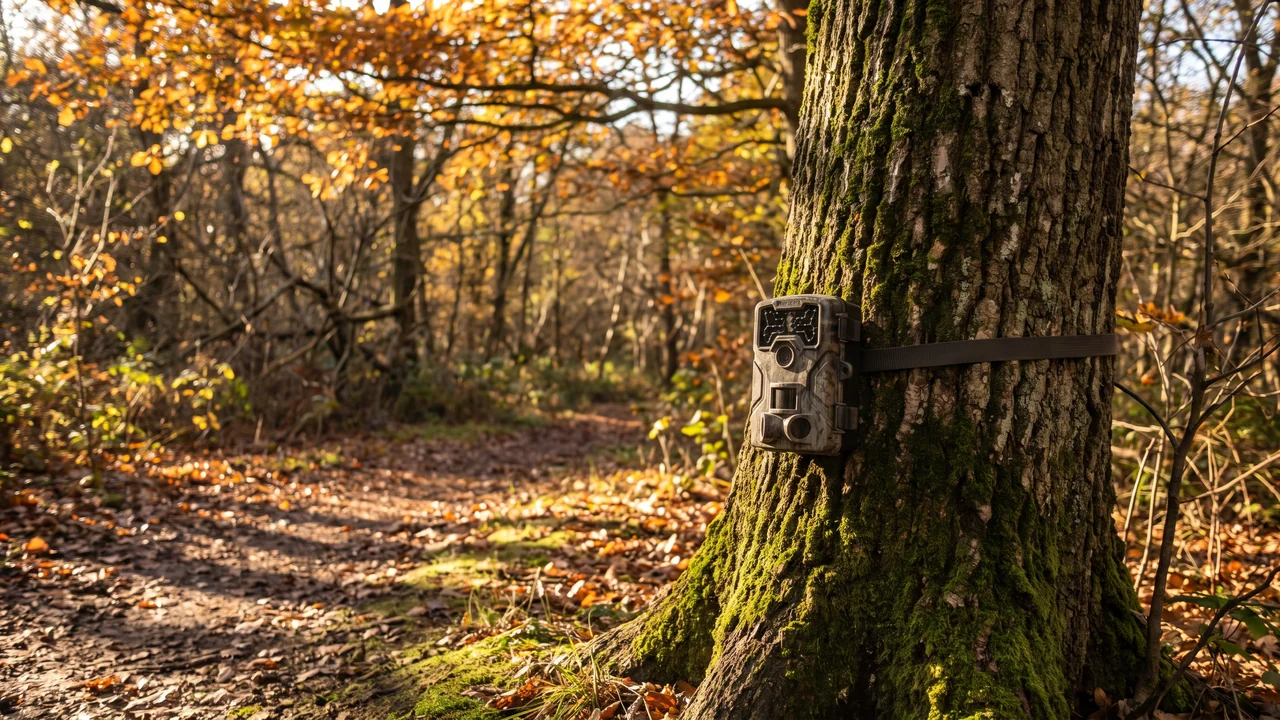
Game Cam: What a Trail Camera Is and How to Choose One
A “game cam” is a trail camera: a weather-resistant, motion-triggered camera that takes photos or video when wildlife or people pass its sensor. It can run through a British winter with suitable batteries, a sealed housing and sensible placement, while recording duration depends on battery capacity, trigger frequency, clip length, storage card and settings.
Garden wildlife watchers, naturalists, landowners, farmers and deer managers use these cameras, as do people monitoring a barn, yard or rural boundary. This guide covers battery life, recording limits, practical lifespan and privacy considerations on public land. You'll find advice on mounting your camera at knee to waist height, aiming it across a path and reducing false triggers, as well as how to choose between a compact garden unit, a longer-lasting field camera or a discreet barn model for badgers, foxes, hedgehogs, deer and birds.
In short
- A gam cam – also known as a game camera or trail camera – is a weatherproof, motion-triggered device left unattended outdoors to film wildlife or monitor a rural property.
- Battery life depends on trigger frequency, night footage and temperature; lithium AA cells and a solar panel are the practical answer for long deployments.
- Recording length is set by you: most cameras record short clips of a few seconds to a minute per trigger, and the memory card capacity determines how much footage you can store before it needs clearing.
- Placement matters more than megapixels: knee height, angled slightly down, facing away from the sun and clear of swaying vegetation.
What is a game cam?
A game cam is simply another name for a trail camera or wildlife camera. It is a weatherproof, battery-powered camera that uses a motion sensor to take photographs or record video when an animal or person passes in front of it. You leave it in position unattended for days or weeks, depending on the batteries, storage card and settings.
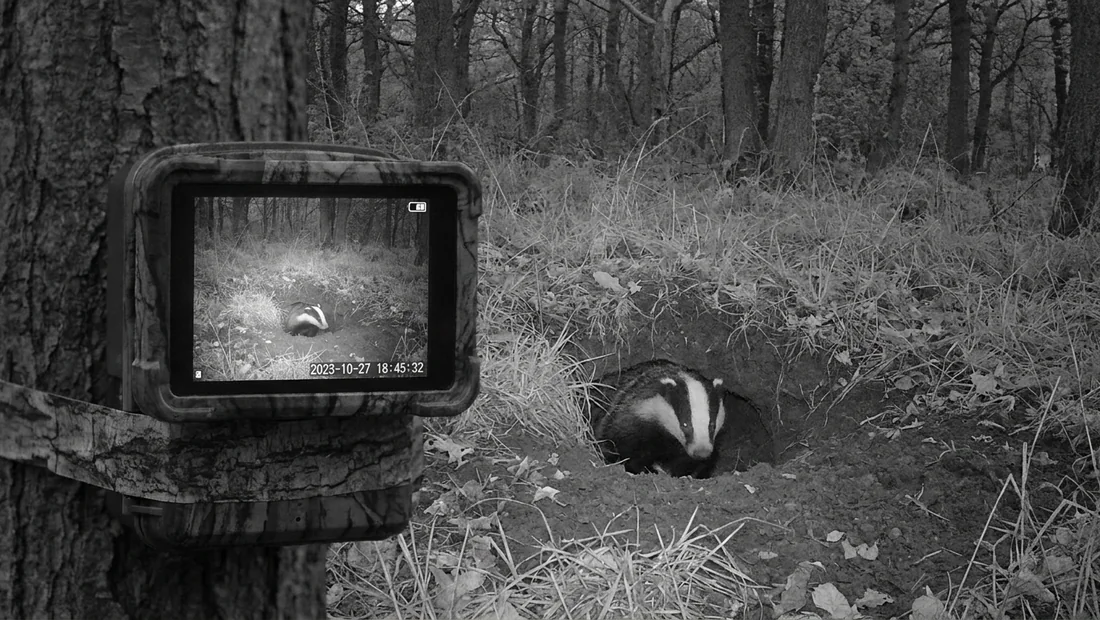
These cameras are used to watch garden wildlife, record badgers and foxes, survey deer, or check activity around a barn, yard or field gate. They can also show when people, vehicles or livestock pass through a particular area. Infrared night vision allows many models to record in darkness without using a visible white flash. For garden use, wildlife cameras are usually chosen for their compact size and simple setup.
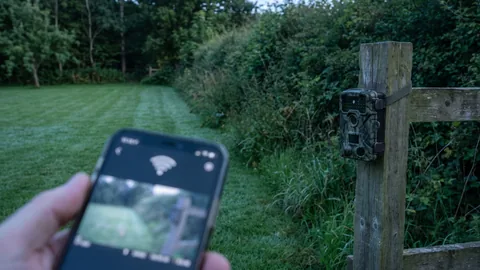
There are two main types. An SD-card camera saves photographs and videos locally, so you remove the card or connect the camera to retrieve the files. A Wi-Fi or 4G model can send images or videos to your phone, provided there is a suitable signal and enough battery power. A 4G cellular trail camera is useful where you need updates from a field, gate or remote building. The best choice depends on signal strength, how easily you can reach the camera, and how often you want to collect footage.
How long do game camera batteries last?
Gam cam batteries can last from a few days to many months, depending on how often the camera wakes, records and sends data. A quiet woodland edge with few triggers uses far less power than a feeder visited throughout the day. Nighttime infrared and longer video clips increase consumption, and repeated triggers do the same. A 4G or Wi-Fi model can use more power when it sends images, especially where the signal is weak and the camera keeps trying to reconnect.
Cold weather reduces battery performance. British winter nights can shorten the useful life of standard alkaline cells noticeably, particularly when the camera is exposed to frost. Lithium AA cells generally hold their voltage for longer in low temperatures. Check the camera manual before changing battery type, then fit fresh cells as a complete set. High-quality lithium or standard alkaline AA cells suit most models that specify LR6 batteries.
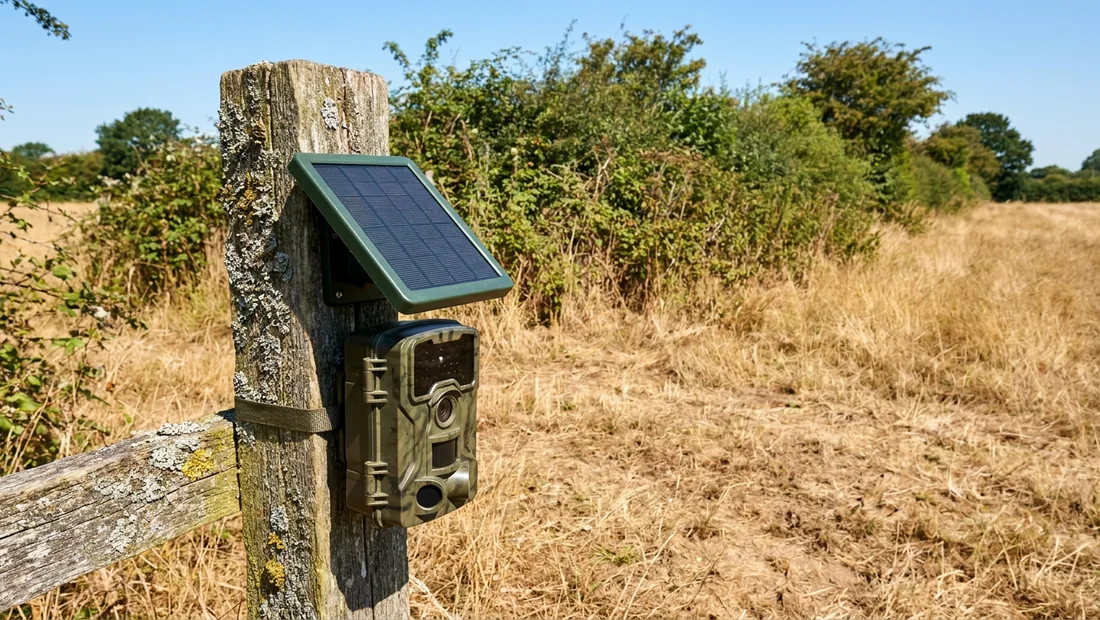
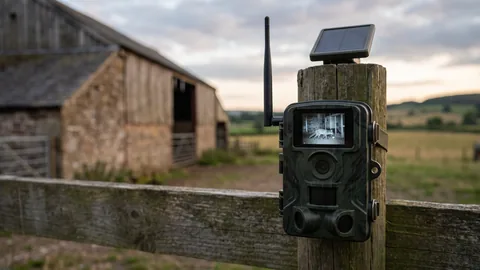
A solar panel can keep a compatible camera topped up in a sunny position. Shade from trees and short winter days cut the energy available, and a north-facing wall does the same, so solar power still needs sensible placement and a suitable internal battery. Keep the panel clear of leaves and point it towards the strongest daylight you can find. A compatible solar panel with a 3-metre cable may help where the camera receives useful sun, provided its voltage and connector match your unit.
How long do game cameras record for?
A gam cam records for the clip length set for each trigger, while the SD card determines how many clips it can store. Many models offer clips from a few seconds to around one minute, although the exact options vary. A trigger may start a 10-second, 30-second or 60-second recording, then the camera waits for the next movement according to its trigger interval.
Card capacity controls the total recording time. A larger card gives you more space before you need to retrieve your footage, provided the model supports that capacity. Video files use more storage than still photographs, and night clips can also fill up your card quickly. Always check your gam cam's stated card limit before buying an SD card.
Many cameras have loop recording. Once the card is full, the camera overwrites the oldest files and continues saving new clips. This keeps recording, but an important sequence can disappear if you leave the unit unchecked for too long. Check the footage regularly, especially after several nights of animal activity or poor weather.
How long does a trail camera last?
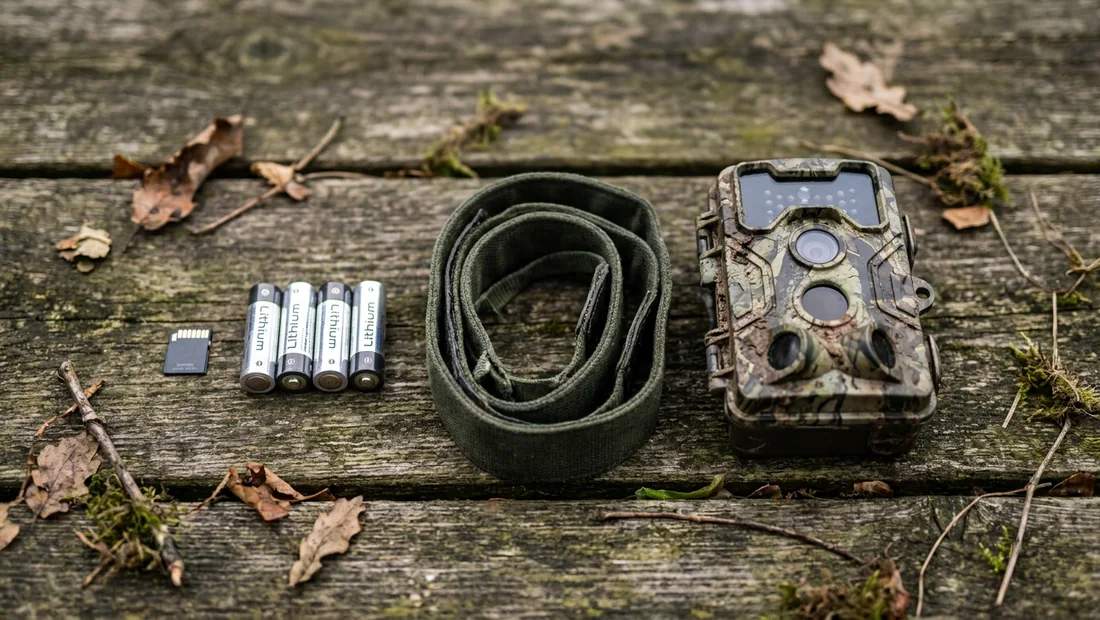
A trail camera can last for several years if it is properly housed, mounted and stored. Battery life is a separate matter. Hardware longevity depends on weather sealing, housing quality, impact protection and how often the unit is moved or handled.
An IP66-rated body is a sensible choice for exposed British sites because it is sealed against dust and designed to withstand powerful water jets and heavy rain alike. A steel security housing adds protection from knocks, curious animals and casual interference. For cameras placed on trees, a metal tree bracket with a ball head helps keep the unit steady. A tight strap or security cable also reduces movement, which protects the mount and produces cleaner footage.
Regular maintenance prolongs the life of your equipment. Wipe mud and water from the lens with a clean, soft cloth. Check the rubber seals, and keep cable glands properly sealed after fitting external power or aerial cables. Between deployments, remove the batteries and store the camera in a dry place with a fresh silica gel sachet. Let a cold camera reach room temperature before opening it, as this reduces condensation inside the housing. A steel security housing for a 4G trail camera is useful where theft or damage is a concern. Cameras bought from gam cam are covered by a two-year warranty, giving you protection against faults that arise during that period.
Can you use trail cameras on public land?
You may be able to use a trail camera on public land in the UK, but always check with the landowner or managing authority before placing one. Rules differ between England, Wales, Scotland and Northern Ireland, and access rights do not automatically give permission to install equipment. A footpath or a nature reserve may have its own conditions.
Keep the camera well away from paths, gates and popular viewpoints. Recording identifiable members of the public can raise privacy and data protection issues, particularly near busy paths. Aim it towards animal cover, a feeding area or a track used by wildlife. Avoid neighbouring property, homes and gardens completely. Check the camera from the same direction as the lens so you can see exactly what enters the frame.
Wildlife protection laws also apply outdoors. Do not place a camera inside or beside a badger sett, near a bird nest, or close to another protected species site if installation could cause disturbance. Check current guidance from the relevant conservation authority before deployment. Secure the unit with a lockable cable, and mark it as yours where appropriate. A trail camera security cable with a key lock helps prevent casual theft, and other trail camera accessories allow for a more discreet setup.
How to set up a game cam: height, angle and settings
Choose the height
Mount your game cam at roughly knee to waist height for badgers, foxes and hedgehogs. In a garden, 40 to 80 cm above the ground usually places the trigger zone across the animal's body rather than above it.
Use a higher position at a field edge for deer. A height around chest level can reduce close, distorted footage and gives a wider view along the expected route.
Angle the view down
tilt the camera slightly towards the ground. Place the centre of the detection area where the animal will walk, such as a gap in a hedge or a gate opening. Avoid pointing at the horizon, where the trigger zone may sit beyond the path.
Face away from bright light
Point the lens away from the rising and setting sun where possible. Direct sunlight can wash out daytime footage and cause reflections. Clear grass, nettles and thin branches from the foreground, since moving vegetation can produce false triggers in wind.
Set the detection controls
Choose a short trigger interval, such as 5 to 10 seconds, if the menu allows it. Use medium PIR sensitivity as a starting point, then increase it for small, slow animals or reduce it where wind-blown plants cause repeated shots.
Set photo or video length to suit the site. A 20 to 30 second clip often shows an animal entering and leaving a garden path, while still limiting storage use.
Match night vision to the site
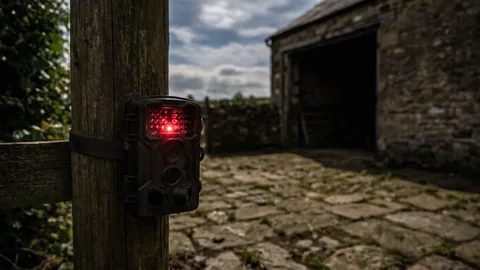
Choose 940nm no-glow infrared for a garden or security position where visible red illumination could attract attention. A mini no-glow wildlife camera works well for discreet, close-range monitoring. Standard infrared can be useful where illumination distance matters more than a hidden flash.
Test before leaving
secure the unit with a firm strap or bracket, then walk through the expected path at several distances. Check the playback for head-to-tail coverage, focus and night exposure. A metal tree bracket with a ball head helps fine-tune the angle on a post or tree.
Which game cam suits your situation?
The right game cam depends on signal, power, access and the distance between the camera and the animals.
- For a garden within your home Wi-Fi range, choose a 4K Wi-Fi trail camera so you can check recordings from the house without walking to the camera each time.
- For a field, barn or woodland with no Wi-Fi, a 4G model can send images to your phone through the mobile network, making a 4G model such as the NaturaVision 5K Pro a practical choice for remote checks.
- For a long deployment in an exposed field or woodland edge, a solar 4G trail camera can reduce the number of battery changes, provided its panel has a clear view of the sky and is kept free from shade.
- For close views of garden birds, use a solar Wi-Fi bird feeder camera beside the feeding station, with the lens aimed at the perch and the camera fixed firmly to prevent movement.
- For a barn, yard or rural boundary, choose no-glow night vision to keep illumination discreet, then protect a compatible camera with a steel security housing and a separate cable lock.
- For a quiet site that you can visit regularly, an SD-card camera is often the simplest option because it records locally and needs no Wi-Fi or 4G service; check the card during each visit and replace it when full.
Our picks
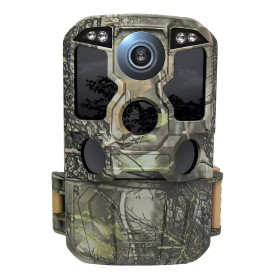
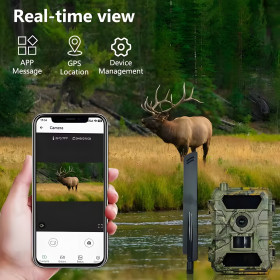
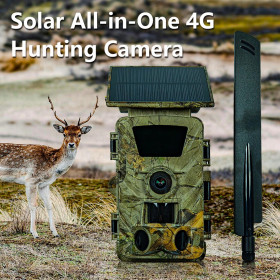
The most useful habit is to place the camera at knee height, angle it slightly down, and clear grass or branches from the detection zone. Face it away from the sun, then test the trigger before leaving it in place. For longer deployments, lithium AA batteries and a solar panel can help. See the Garden Wildlife Cameras for suitable options.
Choose your gam cam
Browse garden wildlife cameras, 4G cellular models and solar trail cameras, all dispatched from our UK warehouse with free tracked Royal Mail delivery and a 30-day money-back guarantee.
View Garden Wildlife CamerasFrequently asked questions
Is a gam cam the same as a trail camera?
Yes. “Game cam” is shorthand for game camera, which is the same device as a trail camera or wildlife camera. It is a weatherproof camera that uses a motion sensor and infrared night lighting, then takes photographs or video while left unattended. Retailers may use different names for the same basic equipment.
How long do game camera batteries last?
There is no fixed battery life. It depends on how often the camera triggers, how much night footage it records, the clip length and the temperature. Cold weather reduces performance, especially with alkaline cells. Lithium AA batteries usually last longer in a UK winter, while a compatible solar panel can extend the running time.
How long do game cameras record for?
You choose the clip length, usually from a few seconds to about one minute for each trigger. The camera records again whenever its sensor detects movement, subject to any trigger delay or cooldown setting. Total recording time depends on the memory card capacity, video resolution and how frequently animals pass the camera.
Can I use a game camera on public land in the UK?
Check with the landowner or relevant authority before installing one on public land. Aim it away from paths, homes, gardens and places where people may be identified. Avoid disturbing setts, nests and protected species. Use a privacy notice or other safeguards where appropriate, and remove the camera if permission is withdrawn.
Do I need Wi-Fi or 4G for a trail camera?
No, you only need Wi-Fi or 4G if you want images sent to your phone. An SD-card model works without a network, so you collect the card during visits. Wi-Fi suits a garden within reliable range of the house. A 4G model suits fields and woodland, provided it has usable mobile signal.
Related posts
 Digital Camera Batteries Rechargeable: UK Buyer's Guide
 Bluetooth Trail Camera: How It Works and What to Buy
 IR Illuminator for Security Cameras: What It Does and Which to Pick
 Barn Owl Camera: How to Choose and Set One Up in the UK
 Can a Trail Cam Be Used as a Security Camera?