
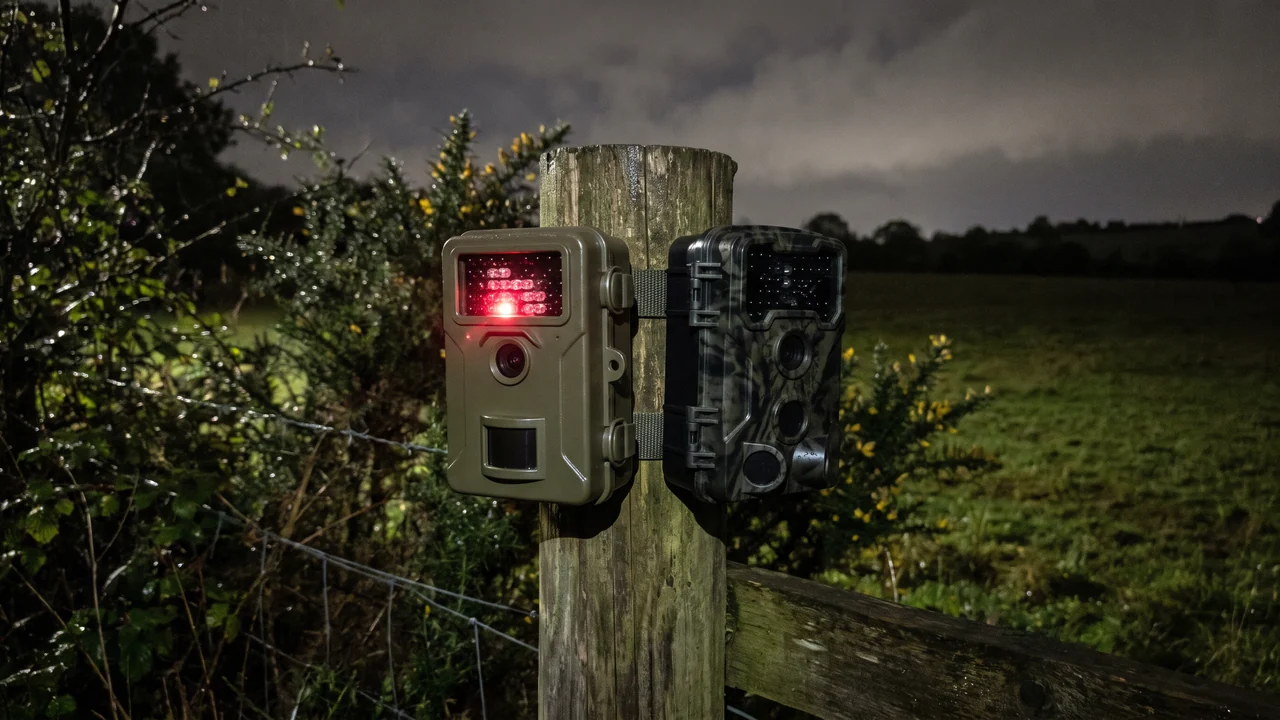
No Glow vs Low Glow Trail Camera: Which Flash to Choose
For wary wildlife or a camera facing neighbors, choose a 940nm no-glow model; an 850nm low-glow camera usually gives a brighter image and more detail at distance, with a faint red flash that some animals may notice. When choosing between a no glow and low glow trail camera, the right option depends on animal behavior, viewing distance, and how visible the camera can be.
This guide is for backyard wildlife watchers, naturalists, landowners, and farmers, along with deer managers and anyone monitoring a yard, barn, or field. It helps you match the flash to whitetail deer, turkeys, hogs, predators, and birds, then place the unit securely at roughly knee height and angle it across a trail. You will also find advice on setting trigger speed, sensitivity and night mode for usable footage, plus privacy around nearby homes and practical ways to reduce false triggers from grass, branches and passing traffic.
In short
- No glow (940nm) is invisible to people and most animals but emits less light, resulting in a shorter usable range and reduced image detail.
- Low glow (850nm) gives brighter, sharper night images and longer range, but the faint red glow can be seen at close range.
- For shy species near a house or path, no glow is usually the safer choice; for open fields and long-range identification, low glow wins.
- Mounting height, angle and trigger settings matter as much as the flash type, so get those right before blaming the camera.
No Glow vs Low Glow: The Short Answer
When deciding between flash types, pick a 940nm no-glow model for stealth and close work near people, and an 850nm low-glow unit when you need more reach and sharper detail across open ground. Both use infrared light, so they record at night without a visible white flash.
A 940nm camera produces a flash that is invisible to people viewing it from normal distances. It suits a yard, a barn entrance, or a setup for deer set close to a feeding area. The trade-off is a shorter useful range and softer night detail, especially when the subject is several yards away or moving quickly.
An 850nm camera gives off a faint red glow when viewed close to the lens. Its stronger infrared illumination usually produces brighter, crisper images and a longer usable trail camera flash range. Deer in an open field or coyotes crossing a trail are easier to capture with low glow. See the available night vision wildlife cameras, then match the flash type to the distance, background and level of human activity at the site.
What a No Glow Trail Camera Actually Does
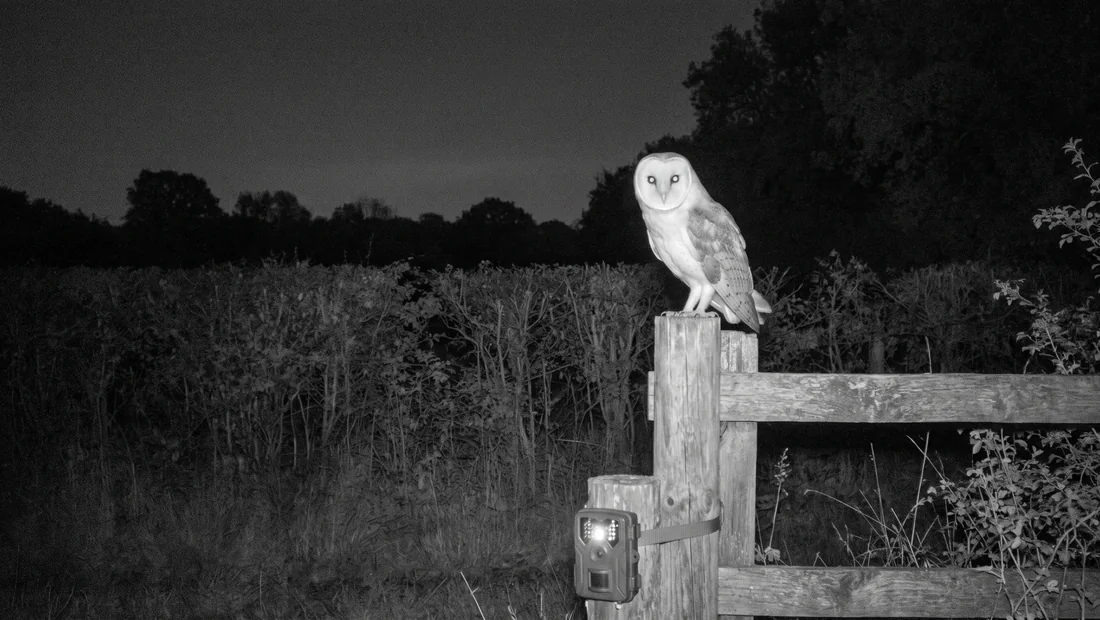
A 940nm no-glow camera uses infrared LEDs that sit just beyond the visible red part of the spectrum. At night, the LEDs illuminate the scene for the sensor without producing the red flash seen on many older infrared cameras. This makes a 4G cellular trail camera with a 940nm no-glow flash useful near a den, property line, brush, or trail where a visible light could attract attention.
Most mammals are less likely to react to 940nm illumination than to a visible flash. That can help you record repeated visits and natural behavior. However, this isn't guaranteed. Animals may still notice the camera body, a faint electronic sound, movement, or an unfamiliar object placed across a regular route. Careful positioning and a short test run still matter.
The trade-off is light output. A 940nm LED usually gives the camera less usable illumination than an 850nm system, so detail drops off sooner in darkness. Distant animals may appear softer, and dark scenes can show more noise, especially in video. The stated flash distance is therefore only a guide; foliage, rain, dust and the camera’s sensor all affect the result. A compact option such as this 16MP 940nm no-glow camera suits discreet monitoring where avoiding a red glow matters more than maximum night detail.
What a Low Glow Trail Camera Actually Does
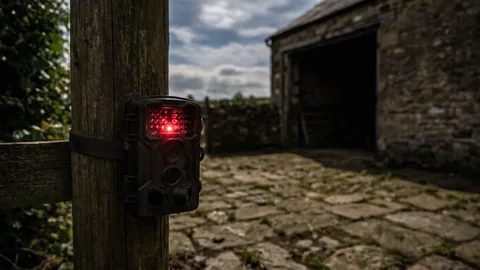
A low glow trail camera uses 850nm infrared LEDs for night recording. When you look directly at the unit during a trigger, the LEDs can show a faint red glow. This makes the flash easier for a person to notice than 940nm infrared, especially in a dark yard or beside a building.
The benefit is stronger illumination. More infrared light can produce brighter frames, clearer contrast and more visible markings on a moving animal. That can help tell a coyote from a fox, identify a deer’s antlers, or check the shape of an animal crossing open ground. The exact result also depends on the sensor, lens, focus, weather and camera position.
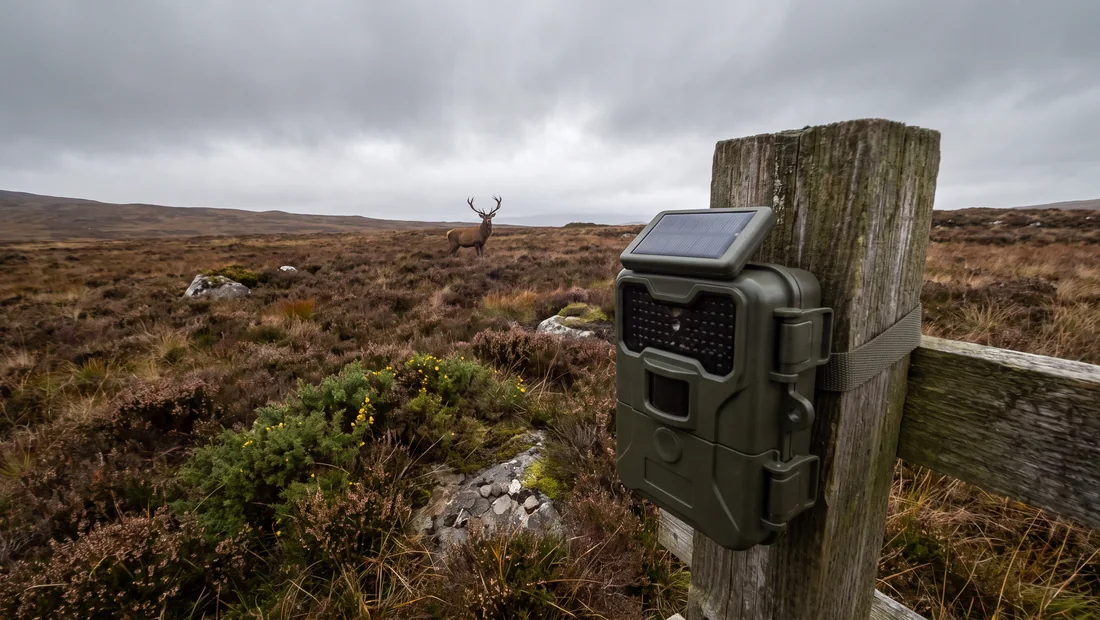
These cameras suit farmland, deer management, barns and wide yards where useful night detail matters more than keeping the camera completely discreet. They can provide a longer usable nighttime view across open ground, although vegetation, rain and a pale subject can still affect the image. A 4G solar trail camera with 850nm IR can suit a remote field location, while a 4K trail camera with dual flash and 85-foot detection is designed for longer monitoring distances. Mount the unit away from direct sight lines where possible, since the red glow is easiest to see when someone looks straight at the LEDs.
Side by Side: Range, Detail and Animal Reaction
Choose no glow when concealment matters most, and low glow when extra night detail and distance matter more. The figures listed by manufacturers are best-case estimates. Actual results depend on the subject's distance and movement, along with weather, vegetation and camera angle. A moving animal at the edge of the frame can blur with either flash type.
| Feature | No glow, usually 940nm | Low glow, usually 850nm |
|---|---|---|
| Visible light | No obvious red flash to people or most wildlife. | A faint red glow may be visible when viewed close to the camera. |
| Night range | Often shorter at an equivalent specification, with less usable detail at the far end. | Often gives stronger illumination and more practical detail at distance. |
| Image detail | Can produce clear footage when the animal is within the useful illuminated area. | Usually offers a brighter subject and easier identification at night. |
| Animal disturbance | Lowest risk of a reaction to the camera's illumination. | Most animals ignore it, although a wary individual may notice the red glow. |
| Battery use | depends on the model and settings; extra power may be needed to match 850nm illumination. | Often uses illumination efficiently, though video length and trigger frequency have a larger effect. |
How to Set Up Either Camera Properly
Choose the right height
Mount the camera 3 to 5 feet above ground for deer, turkey, or coyotes. This gives a useful view of the animal’s body and face. Set it higher for deer, then angle it down so the detection zone covers the ground where they pass.
Set the angle carefully
Point the camera slightly downwards and across the animal’s path rather than straight along it. A crossing animal usually gives the sensor more time to detect movement. Use a mounting bracket or security box to make small adjustments.
Avoid reflective surfaces such as white walls, water and glass. Keep roads and neighbors’ windows outside the frame.
Test the trigger
Choose a short trigger interval and walk past the camera at the intended distance. Check that the whole path is covered and that the first image is well framed. Repeat the test after dark if possible, since infrared illumination can show hotspots or dark edges that are absent in daylight.
Fit suitable batteries
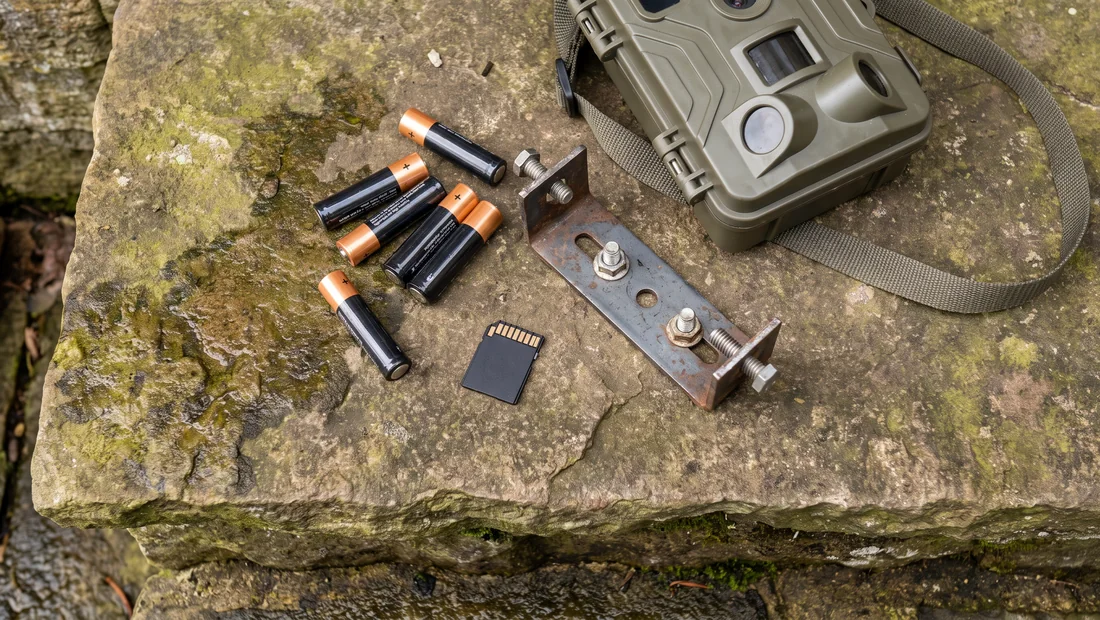
Use lithium AA batteries in cold weather. They generally maintain power better at low temperatures than alkaline cells. In milder conditions, standard AA batteries work well.
Prepare the memory card
Format the SD card in the camera before starting a new deployment. Use a compatible card, check that it records a test image, and confirm the date and time. A 16GB to 256GB SD card will cover most recording needs, depending on your camera's maximum capacity.
Clear the view
Wipe the lens and LED array with a clean, soft cloth. Remove cobwebs and leaves before each check. Foliage can trigger false recordings in wind and may reflect infrared light into the image.
Wildlife, Neighbors and the Law
Point the camera at your own land and frame the view tightly around the area you need to watch. Keep sidewalks, roads, neighbors' yards, and windows out of the frame where possible. A small change in height or angle can keep a shared boundary out of the image. If the camera may overlook a shared boundary, tell your neighbors what it records and why. For security use, keep recordings for a sensible period, restrict access and delete clips you no longer need.
When choosing between a no glow vs low glow trail camera, remember that no-glow infrared eliminates the visible red flash entirely, making it much harder for people and animals to notice. It does not remove privacy responsibilities. If identifiable people are recorded beyond your private property, state privacy laws may apply. Check your local regulations before using a camera for surveillance, particularly where it covers a yard, barn entrance or access track.
Wildlife also needs space. Keep cameras away from dens and active bird nests, and avoid repeated disturbance while fitting or checking equipment. Active nests and dens of protected species are legally protected in many states. Use a long detection zone and visit in daylight. Choose an angle that records animal movement without blocking entrances or forcing animals to change their route.
Which Should You Buy?
Choose the flash type that best suits your location, target animals, and how often you can check the camera.
- For a garden, badger den, or yard close to houses, choose a no-glow mini camera when a discreet footprint matters and nearby people may notice a visible flash.
- A 4G no-glow model suits a garden or barn that needs regular remote viewing, such as the 4G 30MP 4K no-glow trail camera with 940nm infrared illumination.
- For open fields, farms, and deer scouting, choose low glow when extra nighttime detail and flash range matter more than avoiding a faint red glow.
- A dual-flash model is a useful middle ground for sites where you want strong night images while keeping animal disturbance low.
- For a remote feeding area, woodland edge or field gate, choose solar or 4G so you can reduce visits for battery checks and footage collection.
- The 4G solar 940nm no-glow camera is suited to remote monitoring where cellular access and suitable sunlight are available.
- Our store includes free tracked shipping on every order, typically delivering within 3 to 7 business days, backed by a 30-day money-back guarantee and a 2-year limited warranty.
Our picks
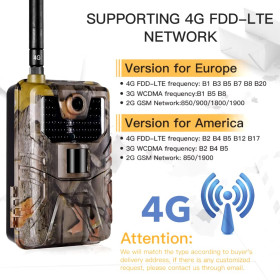
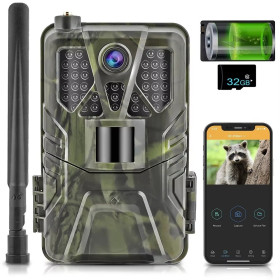
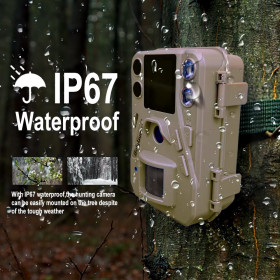
Choose no-glow for shy wildlife near a house or trail, and low-glow when you need brighter detail across an open field. Mount the camera at a suitable height for the target, angle it slightly down, and test the trigger zone at night. Check for branches that may cause false triggers. For dependable night footage, see our night vision wildlife cameras and match the flash to the setting.
Pick the right flash for your ground
Browse no glow and low glow trail cameras with free tracked Royal Mail delivery, a 30-day money-back guarantee and a 2-year warranty.
View Night Vision Wildlife CamerasFrequently asked questions
Can animals see the flash from a no-glow trail camera?
Usually, animals cannot see the 940nm infrared light used by a no-glow camera. That wavelength sits outside human vision and is largely invisible to wildlife too. Responses vary between species and individuals. A deer may still investigate the unit after hearing its shutter or sensing your scent, so mount it carefully and avoid handling the site repeatedly.
Is low glow bright enough to be noticed?
A low glow camera produces a faint red flash that is mainly visible when you look directly at the lens from close range. In a hedge or woodland edge, animals rarely notice it at normal distances. Keep the camera out of eye level, avoid pointing it at a regular approach route, and check for reflections from nearby leaves.
Which gives better night photos, no glow or low glow?
Low glow usually gives brighter, sharper night images because it emits more usable infrared light. It often covers a longer distance and records more detail in fur, antlers and markings. No glow is the quieter visual choice, though its images can look darker or softer, especially when an animal moves beyond the strongest part of the beam.
What range can I realistically expect at night?
Treat the maker's stated distance as a best-case figure. Clear identification usually comes at a shorter range, especially with no glow, a moving subject or dark woodland cover. Test the camera at night using a person or object at known distances. Aim across the trail rather than straight along it to reduce motion blur.
Do I need a no glow camera for security?
No, you don't necessarily need a no-glow camera for most security applications. It is discreet and less likely to be spotted, but placement, a solid housing and a proper lock matter more than the flash type. Mount the unit high enough to deter tampering, angle it towards the approach, and check local privacy rules before recording people.
Related posts
 Digital Camera Batteries Rechargeable: UK Buyer's Guide
 Bluetooth Trail Camera: How It Works and What to Buy
 IR Illuminator for Security Cameras: What It Does and Which to Pick
 Barn Owl Camera: How to Choose and Set One Up in the UK
 Can a Trail Cam Be Used as a Security Camera?